


Two other major forces that helped shape modern Claremont were colleges and churches. Pomona College founders were seeking to establish a school “of the New England style.” The Claremont Community (Congregational) Church, which they soon established, was a center of social and religious life for many years. Church and college leaders espoused the New England Congregational virtues of high educational standards for all citizens and widespread community involvement in church and civic government. Early town meetings demonstrated the volunteer support that still marks the community today. Citizens bought and planted street trees and shrubs and maintained them, a volunteer fire department was set up which was only disbanded in the 1970s, and a civic center committee was established. This tight knit college town was served by a small business community centered on First Street and Yale Avenue. College names were and still are used for most streets.
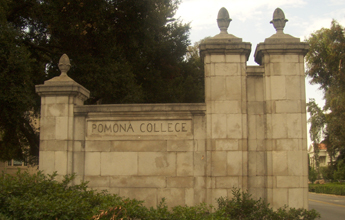 |
By 1923, Pomona College was so well established that pressure for admissions seemed about to push it to university size. The prospect disturbed the president, James A. Blaisdell, who hoped for “a group of institutions divided into small colleges, somewhat on the Oxford type, around a small library and other utilities which they would use in common.” His dream was realized when Ellen Browning Scripps of the Scripps newspaper dynasty donated 250 acres of land and The Claremont Colleges were in business.
In 1925, Claremont Graduate University enrolled its first four students. The next year, Miss Scripps, then 90, founded Scripps College for women. Four more colleges have been added, Claremont McKenna College in 1946, Harvey Mudd in 1955, Pitzer College in 1963 and Keck Graduate Institute in 1998.